Tropical Summer Flower Backgrounds: Elevating Design with Vibrant Flair
Tropical Summer Flower Backgrounds are more than just eye-catching visuals—they're a powerful design tool that can transform any project with its vibrant colors, playful style, and seamless integration. Whether you're crafting digital assets or physical products, these patterns bring a sense of joy and relaxation that's perfect for summer-themed projects. This article explores how to effectively use Tropical Summer Flower Backgrounds in your creative workflow, ensuring they enhance your designs without overwhelming them.
Understanding Tropical Summer Flower Backgrounds
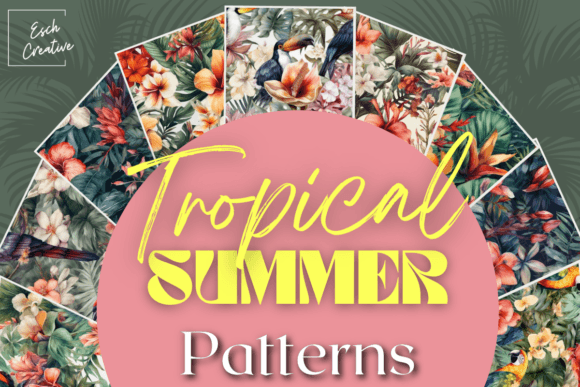
Tropical Summer Flower Backgrounds are high-resolution seamless patterns featuring tropical floral motifs. These designs typically include elements like hibiscus, palm leaves, frangipani, and other exotic flowers set against bright, sunlit backdrops. The files come in JPG format at 300 DPI resolution, making them ideal for both print and digital use. With dimensions of 3600 px by 3600 px, they offer ample flexibility for scaling and adapting to various applications.
These backgrounds are not only visually appealing but also versatile. They can be used in a wide range of contexts, from branding materials to event invitations, and even as decorative elements in home interiors. Their seamless nature ensures that they can be tiled without visible seams, which is especially useful for large-scale prints or repeating web designs.
Where Do Tropical Summer Flower Backgrounds Fit in Your Workflow?
Incorporating Tropical Summer Flower Backgrounds into your workflow can happen at multiple stages—before, during, and after a project. Here’s how they can be integrated:
- Pre-Planning: Use these backgrounds as mood boards or inspiration sources when conceptualizing a summer-themed campaign, product line, or event. They help establish a visual tone and guide color choices and overall aesthetic direction.
- Drafting and Design: Apply the patterns directly to your designs, such as fabric prints, greeting cards, or digital banners. Their vibrant nature adds a lively touch that can make your work stand out.
- Final Touches: Use them as accents or overlays to add depth and texture to finished pieces. For example, adding a subtle floral pattern to a background image can create an elegant, summery feel without overpowering the main content.
Practical Applications Across Different Mediums
Tropical Summer Flower Backgrounds are incredibly adaptable, fitting seamlessly into both digital and physical mediums. Here are some common use cases:
- Fabric Designs: Incorporate these patterns into textiles for clothing, home decor, or accessories. The versatility of the designs allows them to complement a variety of fabrics and styles.
- Print Media: From wedding invitations to birthday cards, these backgrounds add a festive touch to printed materials. Their high resolution ensures clarity and vibrancy when printed on different surfaces.
- Web and Digital Design: Use them as website backgrounds, social media graphics, or digital stickers. Their seamless quality makes them suitable for tiling across entire pages or sections of a site.
- Marketing Materials: Leverage their appeal in promotional items like posters, packaging, or branded merchandise. They can help create a cohesive brand identity with a tropical twist.
When working with these backgrounds, it's important to consider contrast and balance. While the floral elements are vibrant, they should not overshadow the primary message or content of your design. Using them as secondary elements or in smaller sections can maintain visual harmony.
Integration Tips for Smooth Implementation
To ensure that Tropical Summer Flower Backgrounds integrate smoothly into your projects, consider the following tips:
- Layering Techniques: Use layers to separate the background from the foreground content. This allows for greater control over transparency, opacity, and placement.
- Color Coordination: Choose complementary colors that enhance the tropical theme. For instance, pairing the floral patterns with sandy tones or ocean blues can create a cohesive look.
- Scalability: Since the files are high-resolution, they can be scaled up or down without losing quality. This is particularly useful when designing for both small and large formats.
- Consistency: Maintain consistency across all design elements. If using multiple patterns or textures, ensure they align with the same visual language and style.
Another consideration is compatibility with other design tools and platforms. These backgrounds are compatible with most graphic design software, including Adobe Photoshop, Illustrator, and Canva. They can also be easily imported into web development environments or used in digital publishing workflows.
Enhancing Creativity with Tropical Themes
The tropical theme offers a unique opportunity to explore creativity through color, texture, and imagery. By incorporating these backgrounds into your work, you can tap into the essence of summer and create designs that evoke feelings of warmth, relaxation, and fun. This is especially beneficial for businesses targeting seasonal markets or events, such as beach weddings, summer festivals, or outdoor retreats.
For creators looking to expand their portfolio, using these backgrounds can help differentiate their work from others. Whether it's through custom illustrations, printable decorations, or personalized gifts, the tropical floral motif adds a distinctive flair that can attract a wider audience.
Long-Term Use and Organization
When planning for long-term use, it's essential to organize your digital assets efficiently. Create folders or categories based on themes, uses, or project types to streamline access and reduce duplication. This approach helps maintain a clean workspace and ensures that you can quickly locate the right background for any new project.
Additionally, consider how these backgrounds might evolve with future trends. While the tropical theme remains popular, staying updated on emerging styles and preferences can help keep your designs fresh and relevant. Regularly reviewing and updating your asset library can support ongoing creativity and adaptability.
Finally, remember that while these backgrounds are highly versatile, they should be used thoughtfully. Balancing their use with other design elements ensures that your final output remains focused, professional, and aligned with your intended purpose.