Traditional Mexican and Portuguese Porcelain Ceramic Patterns: A Fusion of Art, Culture, and Craft
The intricate world of Traditional Mexican and Portuguese porcelain ceramic patterns is a vibrant tapestry woven from centuries of artistry, culture, and craftsmanship. These designs, often seen in azulejo tiles, Talavera ceramics, and floral mosaic patterns, are not just decorative elements but also cultural symbols that reflect the history and identity of their origins.
The Origins and Evolution of Traditional Mexican and Portuguese Ceramics
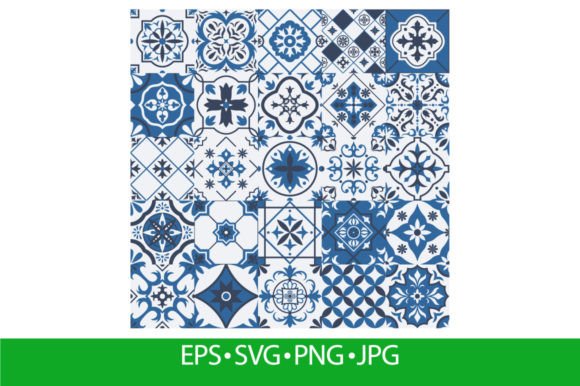
The roots of Traditional Mexican and Portuguese ceramic art can be traced back to ancient civilizations and European influences. In Portugal, the azulejo tile tradition dates back to the 16th century, with its origins in the Moorish and Islamic artistic styles brought to the Iberian Peninsula. These colorful glazed tiles became a staple in Portuguese architecture, adorning churches, palaces, and homes with intricate geometric and floral motifs.
In Mexico, the Talavera style emerged during the colonial period, inspired by the Spanish Talavera pottery from the town of Talavera de la Reina. This technique blends indigenous Mexican techniques with European influences, resulting in a unique form of ceramic art known for its vivid colors, cobalt blue glazes, and hand-painted details.
Cultural Significance and Symbolism
Both Traditional Mexican and Portuguese ceramics carry deep cultural significance. In Portugal, azulejos often depict religious scenes, historical events, or everyday life, serving as both decoration and storytelling. Similarly, Talavera ceramics in Mexico frequently feature traditional motifs like flowers, animals, and mythological figures, each symbolizing different aspects of life, nature, and spirituality.
- Azulejo: Often used in public spaces, these tiles convey a sense of community and shared heritage.
- Talavera: Frequently found in homes and markets, they represent the fusion of indigenous and colonial influences.
Features and Characteristics of Traditional Mexican and Portuguese Ceramics
Traditional Mexican and Portuguese ceramics are distinguished by their high-quality materials, detailed craftsmanship, and rich color palettes. The use of porcelain and clay ensures durability, while the application of vibrant glazes and pigments enhances visual appeal.
Key features include:
- Handcrafted Techniques: Both styles rely on skilled artisans who use time-honored methods passed down through generations.
- Vibrant Color Schemes: From the deep blues of Talavera to the bold hues of azulejos, these ceramics are visually striking.
- Pattern Complexity: Intricate floral, geometric, and narrative patterns are common, reflecting the artistic traditions of both cultures.
These characteristics make Traditional Mexican and Portuguese ceramics highly sought after for both interior and exterior design applications.
Applications and Uses
Traditional Mexican and Portuguese ceramic patterns have a wide range of applications, from home décor to commercial design. Here are some common uses:
- Interior Design: Azulejo tiles can be used in kitchens, bathrooms, and entryways, adding a touch of elegance and cultural flair.
- Exterior Architecture: Talavera ceramics are often used in facades, patios, and outdoor spaces, where their durability makes them ideal for long-term use.
- Art and Collectibles: Hand-painted ceramic pieces are popular among collectors and art enthusiasts, often displayed in galleries or private collections.
- Commercial Spaces: Restaurants, hotels, and retail stores use these ceramics to create an inviting and culturally rich atmosphere.
Evaluating Suitability for Different Needs and Projects
When considering the use of Traditional Mexican and Portuguese ceramics, it's important to evaluate their suitability based on specific needs and project requirements. Here are some factors to consider:
For Homeowners: If you're looking to add a unique, artistic element to your living space, azulejo or Talavera ceramics can transform any room into a cultural haven. However, it's essential to ensure proper installation and maintenance to preserve the integrity of the design.
For Businesses: Incorporating these ceramics into commercial spaces can enhance brand identity and attract customers who appreciate cultural aesthetics. However, cost and availability should be considered, especially for large-scale projects.
For Artists and Designers: These traditional patterns offer a wealth of inspiration for creative projects, from digital illustrations to physical installations. Artists may benefit from exploring vector formats such as EPS, SVG, PNG, and JPG for versatility in use.
Strengths, Considerations, and Limitations
Strengths:
- Unique Aesthetic: The distinctiveness of Traditional Mexican and Portuguese ceramics sets them apart from mass-produced alternatives.
- Durability: High-quality porcelain and clay ensure longevity, making them suitable for both indoor and outdoor use.
- Cultural Value: These ceramics serve as a bridge between past and present, offering a connection to rich historical traditions.
Considerations:
- Cost: Handcrafted ceramics can be more expensive than industrial alternatives, which may affect budget planning.
- Availability: Depending on location, access to authentic Traditional Mexican and Portuguese ceramics may be limited, requiring special sourcing efforts.
- Maintenance: While durable, these ceramics require careful cleaning and protection to maintain their appearance over time.
Limitations:
- Not Suitable for All Environments: Some ceramic patterns may not be appropriate for highly humid or extreme temperature conditions without proper sealing.
- Design Constraints: The complexity of traditional patterns may not align with minimalist or modern design preferences.
Real-World Scenarios and Applications
Let’s explore how Traditional Mexican and Portuguese ceramics are used in real-world scenarios:
Scenario 1: Home Renovation
A homeowner in Lisbon decides to renovate their kitchen using azulejo tiles. They choose a traditional blue-and-white pattern, which complements the room’s neutral tones while adding a splash of Mediterranean charm. The result is a timeless kitchen that reflects both personal taste and cultural heritage.
Scenario 2: Restaurant Interior Design
A restaurant in Mexico City incorporates Talavera ceramics into its décor. Hand-painted plates, mosaics, and wall tiles create an immersive experience for diners, blending local flavor with visual artistry. The design attracts tourists and locals alike, enhancing the restaurant’s reputation.
Scenario 3: Digital Illustration Project
An illustrator working on a Mediterranean-themed project downloads azulejo and Talavera pattern vectors in SVG format. These assets are then used to create a series of digital illustrations for a travel blog, bringing authenticity and visual richness to the content.
Conclusion: Embracing Tradition in Modern Contexts
Traditional Mexican and Portuguese porcelain ceramic patterns are more than just decorative elements—they are expressions of culture, history, and artistry. Whether used in home décor, commercial spaces, or digital projects, these designs offer a unique way to connect with the past while embracing contemporary aesthetics.
As consumers, professionals, and creators continue to seek meaningful and visually compelling solutions, Traditional Mexican and Portuguese ceramics provide an enduring source of inspiration and value. By understanding their origins, features, and applications, we can better appreciate their role in shaping our environments and enriching our experiences.